
Amazon Threatens Perplexity Over AI Shopping Assistant

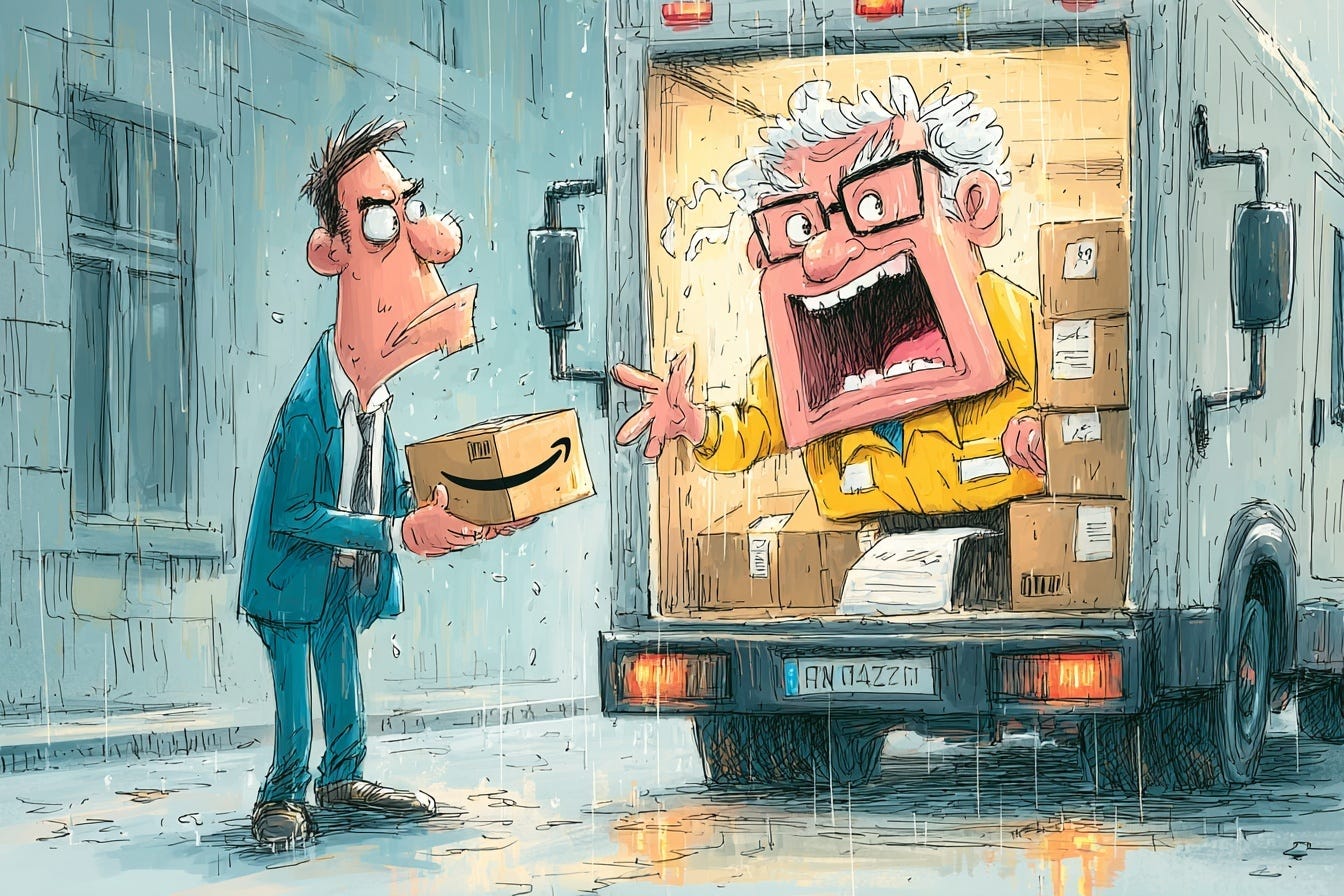
The AI wars just got legal. Amazon sent an aggressive cease-and-desist letter to Perplexity this week, demanding the company block its Comet AI assistant from accessing Amazon’s platform. The move marks Amazon’s first legal action against an AI company and reveals how threatened legacy tech giants feel by assistive AI technology.
Perplexity responded publicly with a blog post titled “Bullying is Not Innovation,” framing Amazon’s legal threat as corporate intimidation designed to protect advertising revenue at the expense of user experience.
“This week, Perplexity received an aggressive legal threat from Amazon, demanding we prohibit Comet users from using their AI assistants on Amazon,” the company stated. “This is Amazon’s first legal salvo against an AI company, and it is a threat to all internet users.”
The conflict centers on Perplexity’s Comet Assistant, which allows users to shop on Amazon through AI automation. Users can ask Comet to find and purchase items, compare options, or select the best product for their needs. If logged into Amazon through Comet (with credentials stored securely only on the user’s device, never on Perplexity’s servers), the assistant completes transactions quickly without forcing users through Amazon’s increasingly cluttered interface.
Amazon should welcome this functionality. Easier shopping means more transactions and satisfied customers. But Perplexity argues Amazon cares more about serving ads, sponsored results, and manipulating purchasing decisions through upsells and confusing offers.
The evidence supports this interpretation. During a recent investor call, Amazon CEO Andy Jassy bragged about advertising performance: “It just all leads to a return on advertising spend that’s very unusual.” In the same call, he admitted Amazon plans to “partner with 3rd party agents” in the future.
Perplexity highlighted the contradiction: “Read that again. Amazon wants to eliminate user rights so that it can sell more ads right now and partner with AI agents designed to take advantage of users later. It’s not just bullying, it’s bonkers.”
The company drew a clear distinction between consumer experience and consumer exploitation. While retailers should celebrate merchandising that creates delightful shopping journeys, Amazon’s approach prioritizes revenue extraction over user satisfaction.
At the heart of the dispute lies a fundamental question about user agents - AI assistants that work exclusively on behalf of individual users. Perplexity argues these agents are distinct from crawlers, scrapers, or bots because they operate with user credentials, work only at specific user requests, and act solely on the user’s behalf.
“For the last 50 years, software has been a tool, like a wrench in the hands of the user,” Perplexity explained. “But with the rise of agentic AI, software is also becoming labor: an assistant, an employee, an agent.”
The company emphasized that while corporations have no right to stop users from owning wrenches, Amazon now claims users don’t have the right to hire labor or have assistants acting on their behalf.
Perplexity outlined three essential characteristics for user agents:
Private: AI assistants must be indistinguishable from users themselves. When Comet visits a website, it does so with user credentials, permissions, and rights. Publishers and corporations have no right to discriminate against users based on which AI they’ve chosen to represent them.
Personal: User agents work for individuals, not for Perplexity or Amazon. For decades, machine learning and algorithms have been weapons in corporate hands, deployed to serve ads and manipulate user experiences. The transformative promise of large language models is putting power back in users’ hands.
Powerful: AI assistants must be capable of any task that matters to users. Users have a right to select high-performing AI agents from the cutting edge of innovation. Technology available to users can’t be restricted just because it threatens a public company’s ad revenue pressure.
The timing of Amazon’s threat is telling. The company faces increasing criticism for its cluttered shopping experience, where organic search results get buried beneath sponsored products and confusing offers. AI assistants that cut through this noise threaten Amazon’s advertising business model.
Perplexity refused to back down: “Perhaps that’s what makes us a target for corporate bullies. But Amazon shouldn’t forget what it’s like to be our size and passionate about a world-changing product. They too once faced intimidating threats and fought aggressively in every case to give users a better choice.”
The company also reminded Amazon how it achieved its current size - by giving users good products at low prices delivered fast. Agentic shopping represents the natural evolution of this promise, and users already demand it.
The legal battle will likely determine whether AI assistants can operate freely on behalf of users or whether large platforms can block them to protect advertising revenue. The outcome affects not just Perplexity and Amazon, but the entire future of how people interact with the internet.
What do you think about Amazon trying to block AI assistants from helping users shop on their platform?
My new book on writing with AI is up for pre-order! Many people asked for a guide on how to write great fiction, and I’m providing it. Releases next week. Pre-order your copy here:

The irony here is that Amazon's trying to protct their advertsing model while their own shoping expereince gets worse every year. AI assistants that help users find what they actualy need seem like they'd boost conversions, not hurt them.
Amazon should shut up and take the money.